



About ResQVac
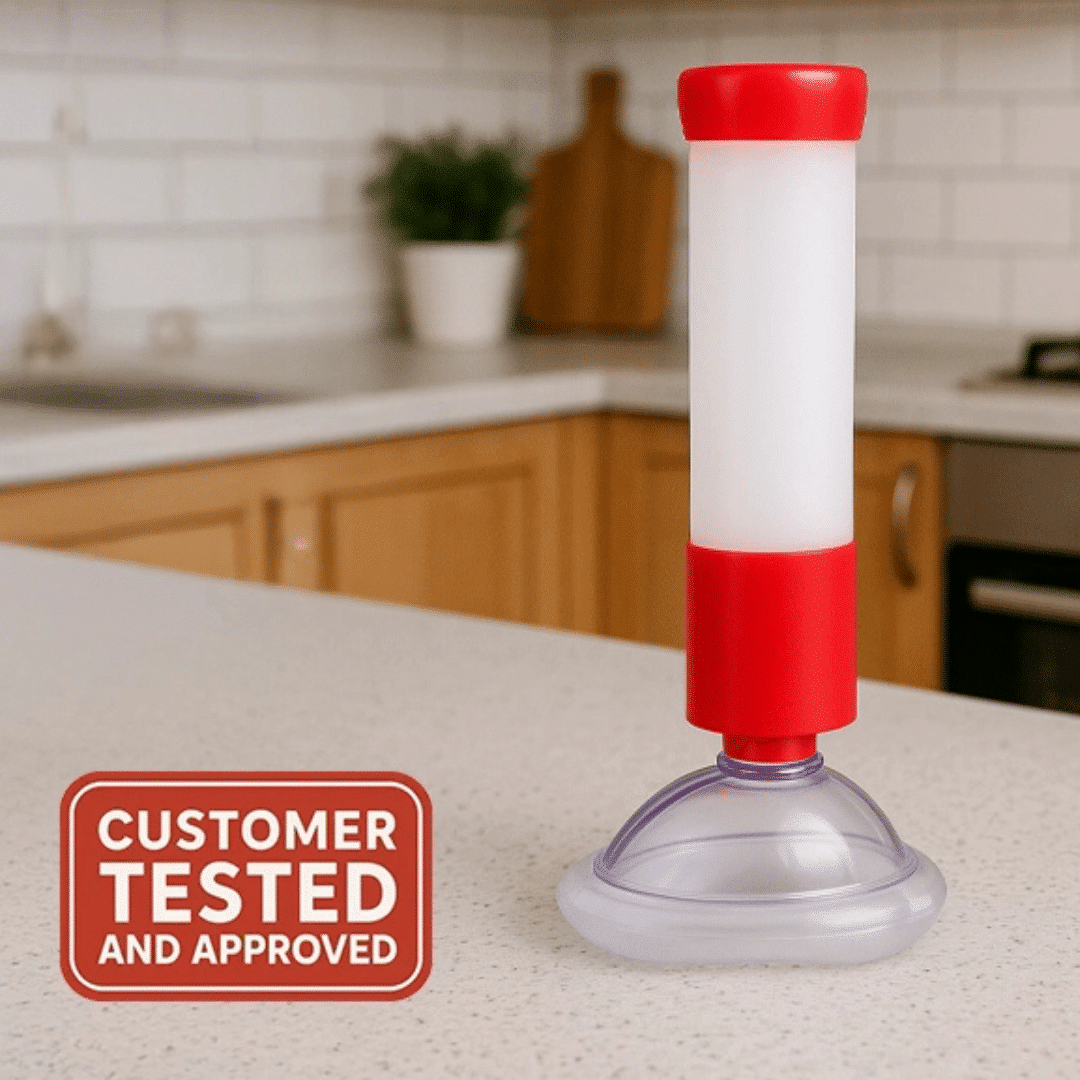
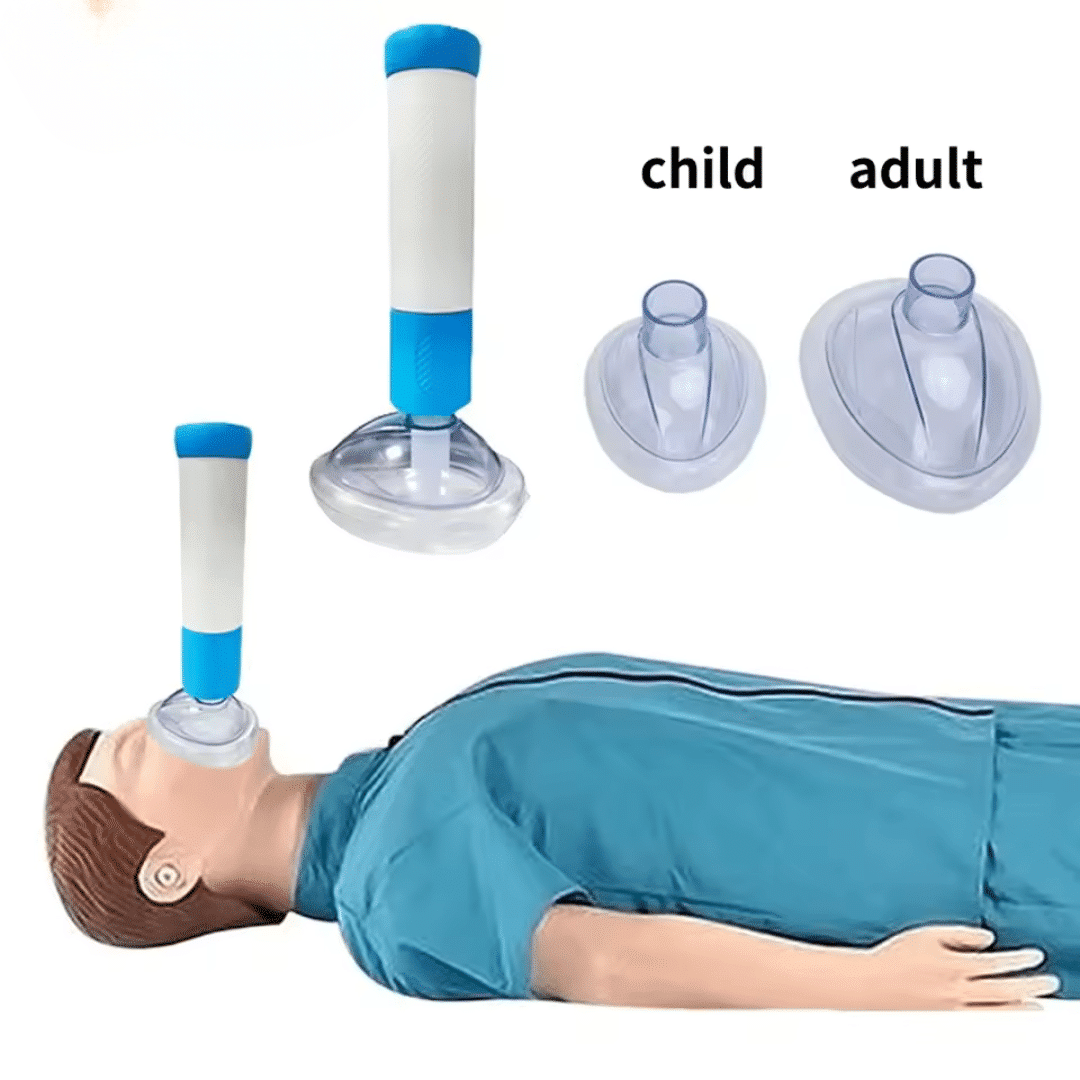
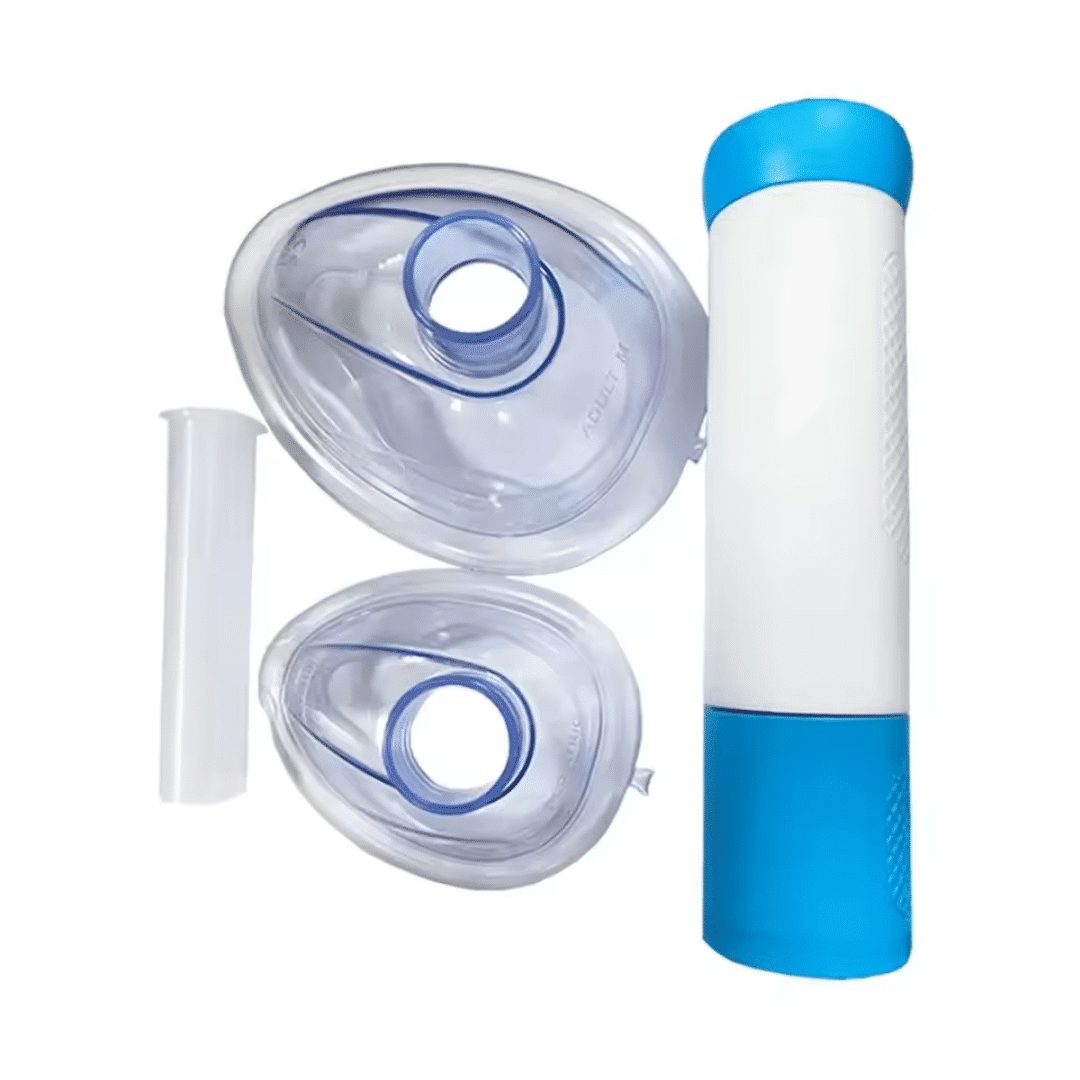
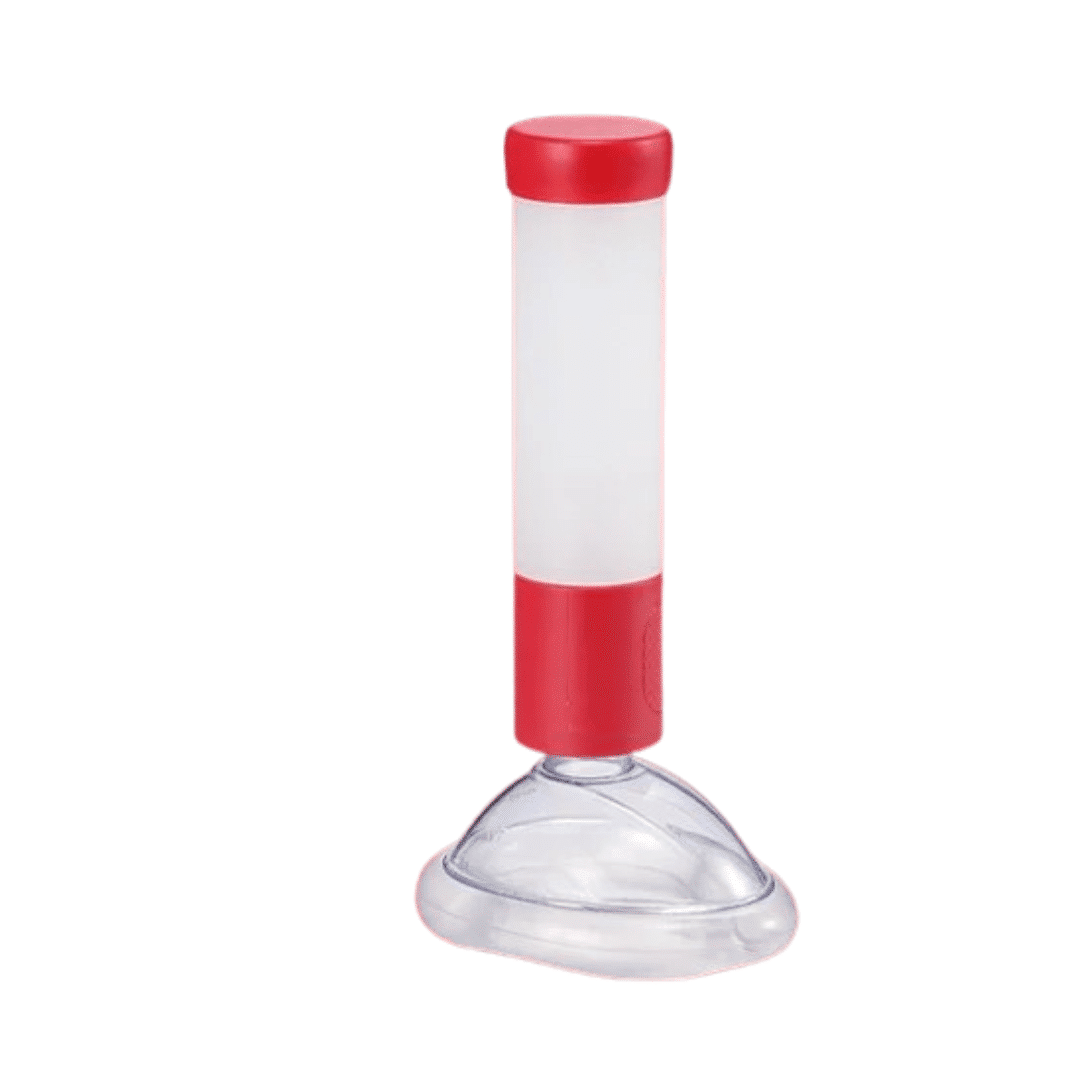
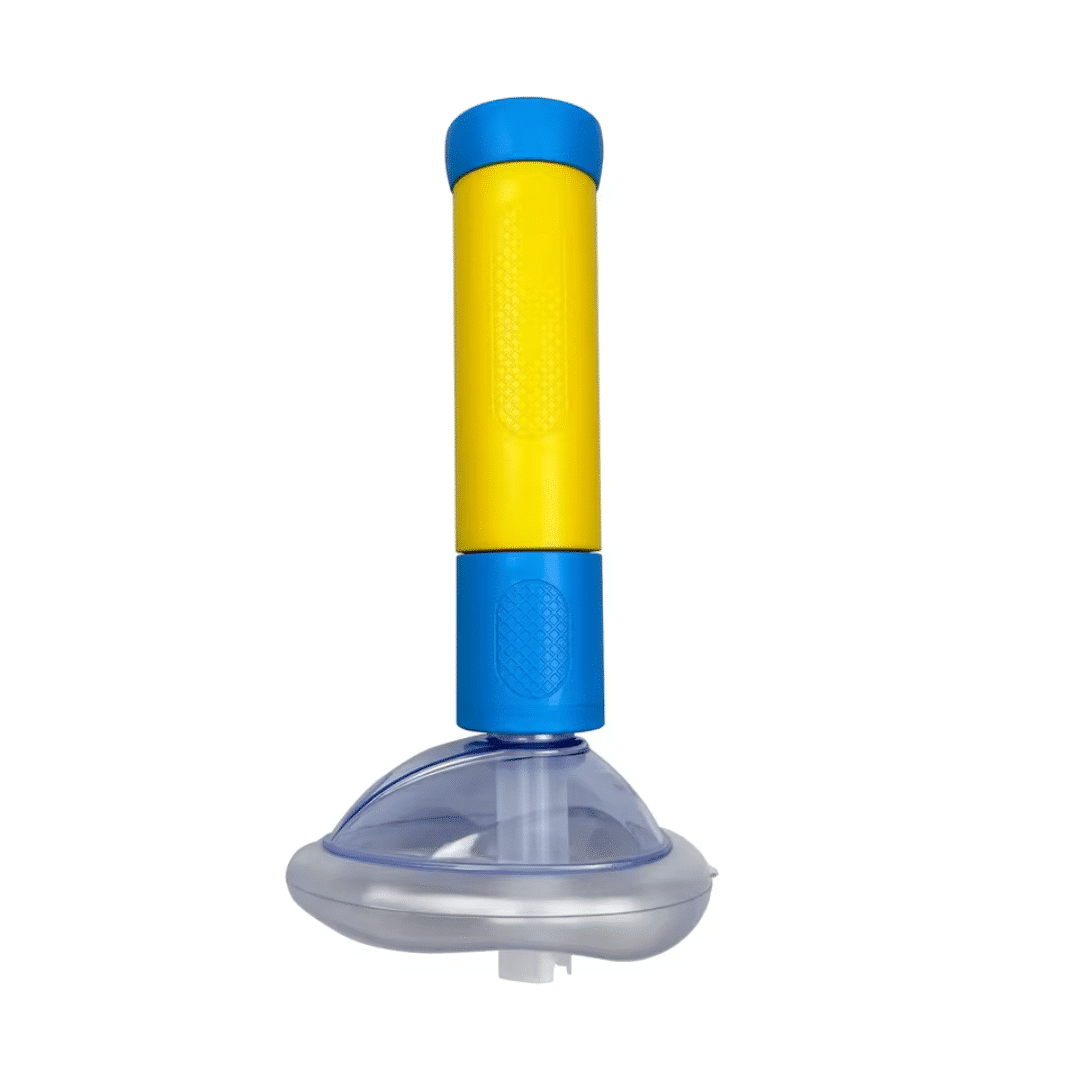
ResQVac is a compact, hand‑powered suction device that uses a mask and a one‑way valve system to help remove food or foreign objects from a choking person’s airway. The kit typically includes different mask sizes so it can be used on both adults and children, making it suitable for homes, schools, and other public settings.
ResQVac belongs to the broader category of portable, non‑powered suction devices that aim to create hospital‑grade negative pressure without batteries or electricity. This type of device is designed to be simple enough that laypeople can deploy it quickly in emergencies after reading the instructions and, ideally, receiving basic training.
How Does ResQVac Work?
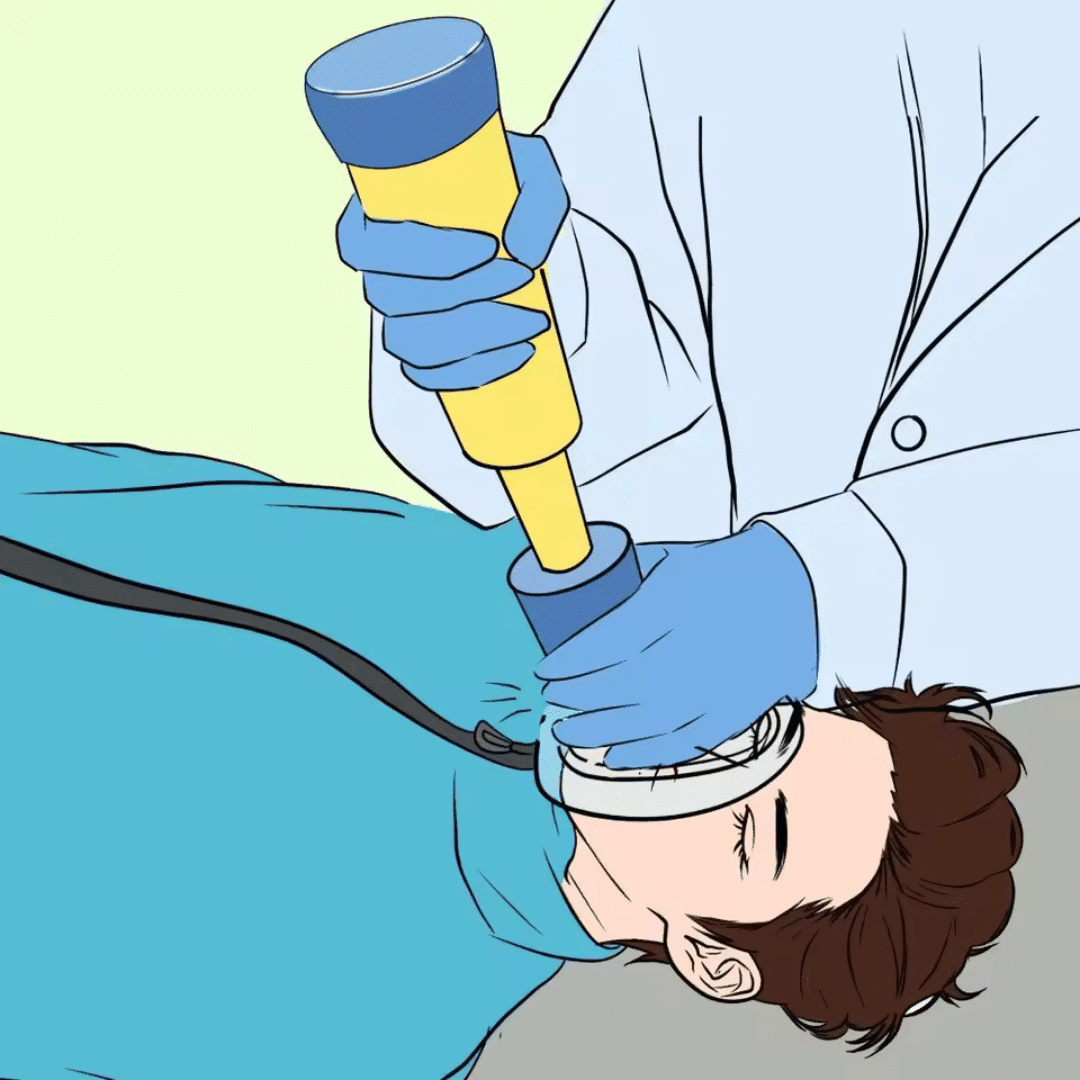
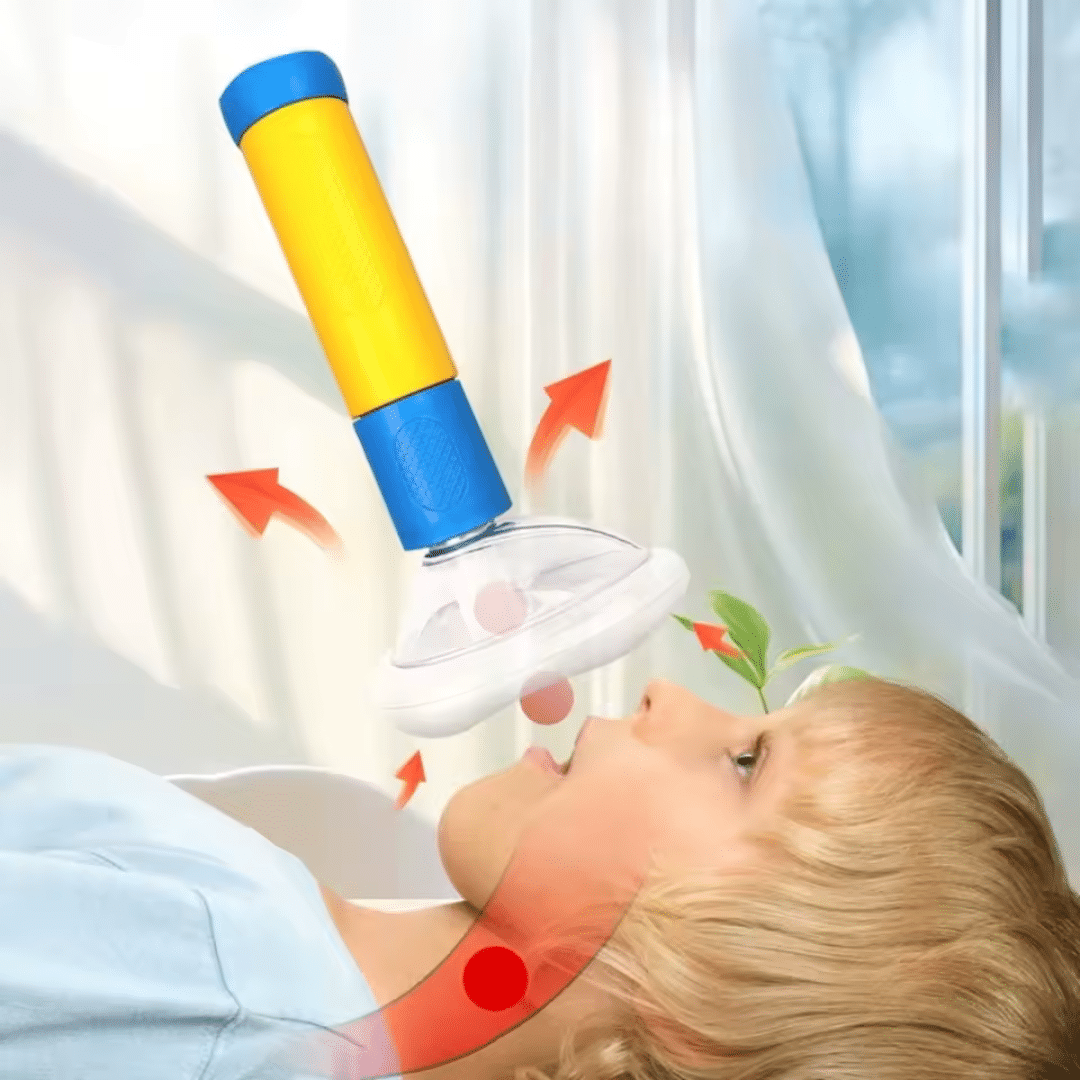
ResQVac works on a “place, push, pull” concept that uses negative pressure (suction) to draw an obstruction up and out of the airway. In general terms, the user places the mask over the mouth and nose to form a seal, pushes or primes the handle to prepare the suction, and then pulls to generate a rapid vacuum that can dislodge the blockage into the device.
The one‑way valve is designed so air and debris are drawn away from the airway and do not flow back toward the patient. A transparent chamber or valve area allows the rescuer to see if any material has been removed, which provides immediate visual feedback during the rescue attempt.
Benefits of Using ResQVac
-
Non‑invasive and simple to use
ResQVac does not require insertion into the throat, reducing the risk of deep airway trauma compared with devices that use tubes. Its straightforward, three‑step operation makes it approachable for parents, caregivers, and bystanders after reviewing the product instructions and basic choking first‑aid guidelines. -
Useful backup when standard methods are difficult
In some real‑world reports on similar suction‑type devices, users have described successful use after traditional back blows and abdominal thrusts were unsuccessful or hard to perform. This makes a device like ResQVac appealing as a secondary option—especially for frail adults, people in wheelchairs, or situations where the rescuer cannot safely perform abdominal thrusts. -
Portable, no power required
As a hand‑powered system, ResQVac can be stored in homes, vehicles, classrooms, and workplaces without needing batteries or electricity. This portability means it can be kept with first‑aid supplies so it is ready to use during sudden choking emergencies. -
Potential peace of mind for families and caregivers
For households with young children or older adults who are at higher risk of choking, having an anti‑choking suction device available can provide an extra sense of preparedness alongside proper first‑aid training. Many users view it as an additional safety layer rather than a standalone solution, which aligns with current medical guidance that standard choking protocols should remain the first response. -
Important medical and safety notice
Current medical literature on anti‑choking suction devices shows mixed and limited evidence, including studies where similar products showed minimal success in controlled settings and raised concerns about oral soft‑tissue injury. First‑aid organizations still recommend established techniques (back blows and abdominal thrusts) as the primary treatment for choking, and any anti‑choking device should be used in accordance with local guidelines and after consulting qualified healthcare professionals.
How to Use ResQVac
In a real emergency, always follow local emergency guidelines, start with standard choking first aid (back blows and abdominal thrusts), and call your local emergency number. Use ResQVac as an additional option if the obstruction is not clearing or standard techniques are difficult to perform.
Always follow the official instructions in your ResQVac kit:
- Stay calm, confirm the person is choking and cannot cough, speak, or breathe, and have someone call emergency services immediately.
- If safe and appropriate, first perform recommended back blows and abdominal thrusts according to recognized first‑aid guidelines.
- Select the correct mask size (adult or child) from your ResQVac kit and attach it firmly to the suction unit as directed in the product instructions.
- Position the person (sitting or lying) as safely as possible while maintaining support for their head and neck.
- Place the mask over the mouth and nose to create a good seal, tilting the chin slightly up to help open the airway.
- Push the handle/plunger down fully to “prime” the device, keeping the mask seal firmly against the face.
- Pull the handle/plunger up with a quick, firm motion to create suction and attempt to draw the obstruction into the device.
- Remove the device, check the mouth and device for any dislodged material, and clear visible debris from the mouth only if it can be done safely.
- Repeat the “place, push, pull” sequence up to several times if needed, while continuing to monitor breathing and responsiveness.
- If the person becomes unresponsive, follow CPR guidance from your local emergency protocols until professionals take over.
FAQs
Who can use ResQVac?
ResQVac is designed so that laypeople (such as parents, teachers, and caregivers) can use it after carefully reviewing the instructions, but basic first‑aid or CPR training is strongly recommended to improve safety and effectiveness.
Do I still need to call emergency services if I have ResQVac?
Yes. Even if the device appears to clear the obstruction, medical professionals should evaluate the person because choking can cause internal injuries, residual obstruction, or complications that are not immediately obvious.
How should ResQVac be stored?
It should be kept in an easily accessible, clearly labeled location (for example near first‑aid supplies), protected from extreme temperatures and moisture, and checked periodically to ensure all components, especially masks and valves, are intact and within any indicated shelf life.
28 reviews for ResQVac – Official Retailer